

In-House vs Offshore Staffing in the Philippines is an important decision for Australian businesses that want to grow without overloading their team or budget. Both models can work, but they solve different business problems.
In-house staffing gives you direct control, closer collaboration, and stronger cultural immersion. Offshore staffing in the Philippines gives you access to skilled talent, lower operating costs, faster hiring, and more flexibility.
The right choice depends on your budget, timeline, workload, management capacity, and the type of role you need to fill. For many growing businesses, the best answer is not one or the other. It is a hybrid model that combines local leadership with offshore operational support.
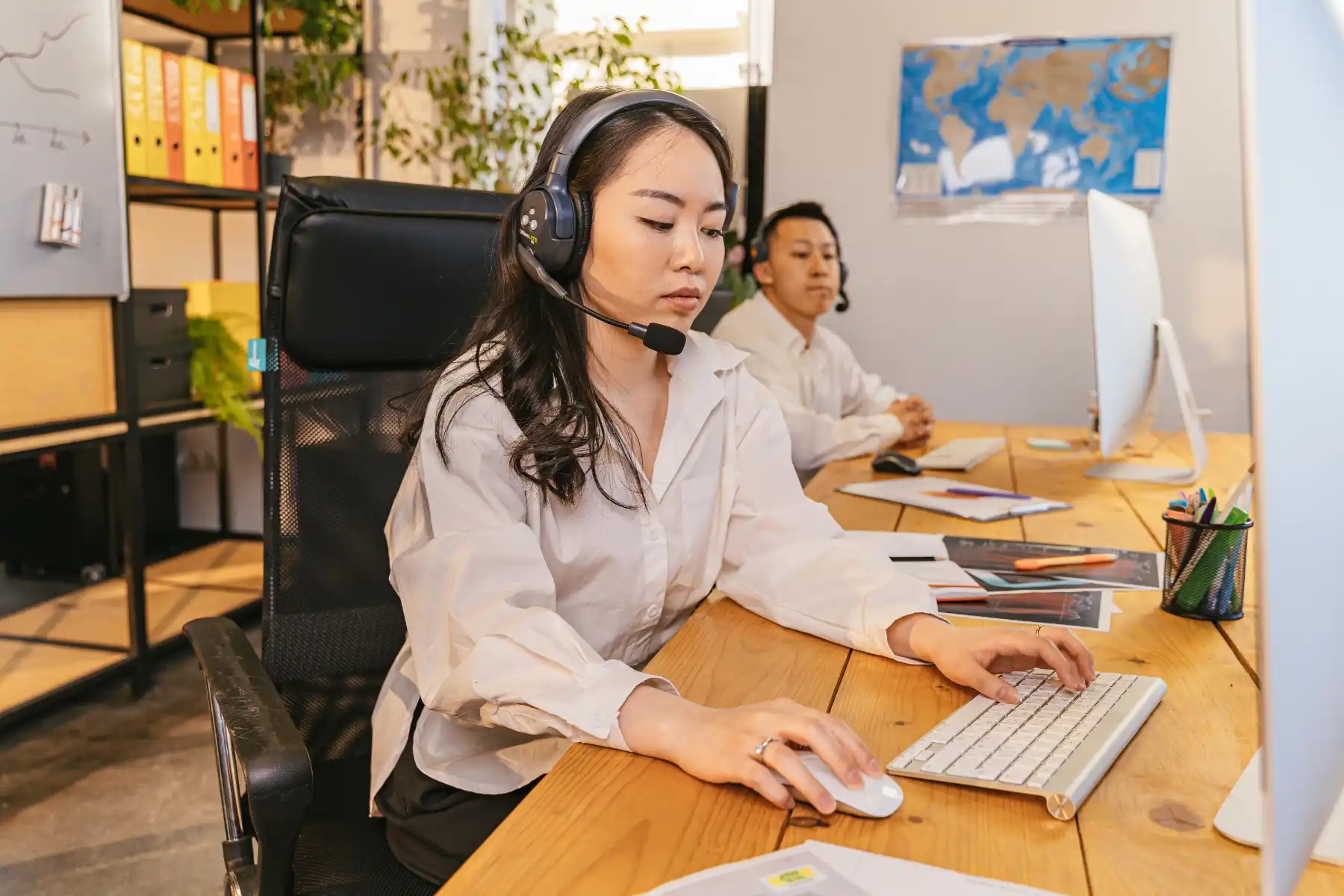
What In-House Staffing Really Means
In-house staffing means hiring employees directly into your business. These team members are managed internally and usually work under your company’s employment structure, policies, culture, and systems.
For Australian businesses, hiring in-house often means managing recruitment, employment contracts, payroll, workplace obligations, onboarding, performance management, equipment, and HR administration. Business.gov.au’s guide to hiring employees outlines key steps such as finding the right candidate, understanding workplace laws, checking licences or qualifications, making an offer, and preparing the new employee.
In-house staffing can be the right choice for roles that need close supervision, direct collaboration, or deep involvement in company strategy.
It is often suitable for:
- Senior leadership roles
- Business strategy and planning
- Client relationship management
- Product direction
- Brand leadership
- Final decision-making roles
- Highly sensitive finance or compliance functions
The main benefit is control. Your team is closer to the business, easier to align with culture, and usually more available for immediate collaboration.
However, in-house hiring can also be expensive and slow. Salaries, superannuation, recruitment fees, training, equipment, office costs, HR support, and compliance obligations can add up quickly.
What Offshore Staffing in the Philippines Means
Offshore staffing means hiring professionals based in another country to support your business. In this case, the team is based in the Philippines.
This is often done through an offshore staffing provider that helps with recruitment, employment administration, payroll coordination, local HR support, and ongoing setup.
Offshore staffing is commonly used for roles such as:
- Customer support
- Administration
- Virtual assistance
- Bookkeeping support
- Digital marketing
- Lead generation
- IT support
- Software development
- Creative services
- Back-office operations
The Philippines is a popular offshore staffing destination because of its English-speaking workforce, strong service culture, and long history in business process outsourcing.
For Australian businesses, offshore staffing can be a practical way to build capacity without the full cost and complexity of hiring locally for every role.
In-House vs Offshore Staffing in the Philippines: 7 Smart Factors to Compare
Choosing the right model becomes easier when you compare the areas that matter most.
1. Cost and Budget
Cost is one of the biggest reasons businesses compare in-house and offshore staffing.
In-house employees usually come with higher fixed costs. These may include salary, superannuation, leave entitlements, recruitment costs, equipment, office space, HR administration, and payroll management.
Offshore staffing in the Philippines can reduce labour and operational costs, depending on the role and provider model. Many businesses use offshore teams to handle support functions more cost-effectively while keeping strategic work local.
However, offshore staffing should not be viewed as “cheap labour”. The better way to think about it is value for money. You are building extra capacity while keeping costs manageable.
A lower cost is useful only if the quality, communication, and output are still reliable.
2. Control and Oversight
In-house staffing usually gives businesses more direct oversight. Managers can speak with staff quickly, provide immediate feedback, and build culture through daily interaction.
This is useful for roles that require close collaboration, fast decision-making, or regular face-to-face input.
Offshore staffing requires more intentional management. Because the team is remote, you need clear processes, communication tools, reporting systems, and performance expectations.
That does not mean offshore teams are harder to manage. It means the management style needs to be structured.
A strong offshore team should have:
- Clear role descriptions
- Defined KPIs
- Regular check-ins
- Documented workflows
- Communication standards
- Escalation processes
- A clear reporting line
With the right setup, offshore staff can become a reliable extension of your business.
3. Hiring Speed and Scalability
Hiring in-house can take time. Advertising roles, reviewing candidates, interviewing, checking references, negotiating offers, and onboarding all require internal resources.
If your business needs help quickly, this can become a bottleneck.
Offshore staffing in the Philippines can often be faster, especially when working with an experienced provider. The provider may already understand the local talent market and have recruitment systems in place.
This is useful when businesses need to scale customer support, admin, finance support, marketing, or back-office operations quickly.
Offshore staffing also allows businesses to test roles before committing to a larger internal structure. You can start with one offshore role, refine the process, and expand when the model proves successful.
4. Talent Access
In-house hiring limits your options to the talent available locally, unless your business is already set up for remote hiring across Australia.
Offshore staffing opens access to a wider talent pool.
The Philippines has a large workforce experienced in supporting international businesses. Reuters reported that the Philippine IT-BPM sector was expected to grow jobs and revenue in 2024, with the industry continuing to focus on skills such as IT support, cybersecurity, data analytics, and AI.
For Australian businesses facing local hiring shortages or wage pressure, this can be a significant advantage.
Offshore staffing can help businesses find talent for operational and support roles without compromising internal focus.
5. Culture and Communication
Culture matters in both models.
In-house teams are usually easier to immerse in company values, internal habits, and daily communication. They are closer to leadership and often more exposed to informal knowledge.
Offshore teams can also become culturally aligned, but it requires stronger onboarding and communication.
To build a good offshore culture, businesses should:
- Explain the company mission and customers
- Include offshore staff in relevant meetings
- Share context, not just tasks
- Provide feedback regularly
- Use clear documentation
- Celebrate good performance
- Treat offshore staff as part of the team
The biggest mistake is treating offshore workers as invisible task-takers. The best results come when they understand the business and feel connected to its goals.
6. Risk, Compliance, and Administration
In-house staffing gives you direct responsibility for employment administration. That includes payroll, contracts, tax, workplace obligations, performance management, and HR processes.
Offshore staffing can reduce some of that administrative pressure if you work with a provider that handles recruitment, local HR support, payroll coordination, and employment administration.
However, offshore staffing still requires proper governance. Businesses should think about contracts, confidentiality, data access, intellectual property, cyber security, and reporting.
This is especially important if offshore staff will access customer data, internal systems, financial records, or sensitive business information.
A provider can help simplify the process, but the Australian business should still understand what is being outsourced, who has access to what, and how performance will be managed.
7. Best Use Cases
The best staffing model depends on the role.
In-house staffing is often better for:
- Senior leadership
- Business strategy
- Client-facing decision-making
- Brand direction
- Final approvals
- Sensitive commercial decisions
- Complex local compliance work
Offshore staffing in the Philippines is often better for:
- Customer service
- Admin support
- Virtual assistance
- Bookkeeping support
- Marketing execution
- IT support
- Data entry
- Lead generation
- Back-office operations
The key is to match the work to the model.
If the role is strategic, highly sensitive, or needs constant local collaboration, keep it in-house. If the role is process-driven, remote-friendly, and measurable, offshore staffing may be a stronger option.
Why a Hybrid Staffing Model Often Works Best
For many businesses, the most practical solution is a hybrid model.
This means keeping leadership, strategy, client relationships, and final decision-making in-house while using offshore staff for support, operations, and specialist tasks.
A hybrid model gives businesses the benefits of both approaches:
- Local control where it matters most
- Offshore capacity where support is needed
- More flexibility as demand changes
- Lower pressure on local teams
- Better use of senior staff time
- More scalable operations
For example, an Australian business might keep account managers and strategy leads local while using offshore staff for admin, reporting, customer support, and marketing execution.
This structure helps the business grow without giving up control.
Why More Businesses Choose the Philippines
The Philippines remains one of the most recognised offshore staffing destinations for international businesses.
It offers more than cost efficiency. Businesses choose the Philippines because they can access skilled professionals with experience in service-based work, administration, customer support, finance, technology, marketing, and back-office operations.
The country also has a long-established outsourcing sector, which means many workers are familiar with supporting overseas clients and working in remote team structures.
For Australian businesses, this can make offshore staffing easier to implement compared with building a remote team from scratch in an unfamiliar market.
How to Decide What Is Best for Your Business
Before choosing between in-house and offshore staffing, ask:
- Does this role require physical presence?
- Is the work strategic or operational?
- Can the work be documented and measured?
- Do we need close daily collaboration?
- Is local market knowledge essential?
- How quickly do we need to hire?
- What is our budget?
- Do we have time to recruit and manage locally?
- Would offshore support free up our local team?
The right answer should support your business goals, not just reduce costs.
If the role directly shapes strategy, culture, and client relationships, in-house may be best. If the role supports operations, improves capacity, or follows a clear process, offshore staffing may be more practical.
Final Thoughts
In-House vs Offshore Staffing in the Philippines is not about choosing one model forever. It is about building the right team structure for your business today while leaving room to scale tomorrow.
In-house staffing gives you control, closeness, and cultural immersion. Offshore staffing gives you flexibility, cost efficiency, speed, and access to a wider talent pool.
For many Australian businesses, the best approach is a hybrid model: keep core leadership and strategic work local, then use offshore staff in the Philippines to support operations, customer service, admin, finance, marketing, IT, and back-office tasks.
When structured properly, offshore staffing is not just a cheaper alternative. It can become a long-term growth advantage.
FAQs
Is in-house staffing better than offshore staffing?
Not always. In-house staffing is better for strategic, sensitive, or highly collaborative roles. Offshore staffing is often better for remote-friendly, process-driven, and support-based roles.
Why do businesses choose offshore staffing in the Philippines?
Businesses choose the Philippines because of its skilled workforce, English communication, service experience, and strong outsourcing industry.
Is offshore staffing only about saving money?
No. Cost efficiency is one benefit, but offshore staffing can also improve capacity, speed, flexibility, and access to talent.
What roles are best for offshore staffing in the Philippines?
Common roles include customer support, admin, virtual assistance, bookkeeping support, marketing support, IT, lead generation, and back-office operations.
Can in-house and offshore staffing work together?
Yes. Many businesses use a hybrid model where leadership and strategy stay in-house while offshore staff support operations and execution.
Ready to Build the Right Staffing Model?
Offshore247 helps Australian businesses build reliable offshore teams in the Philippines for customer support, administration, finance, marketing, IT, and back-office operations.
If you want to explore whether offshore staffing or a hybrid model is right for your business, speak with Offshore247 today.