
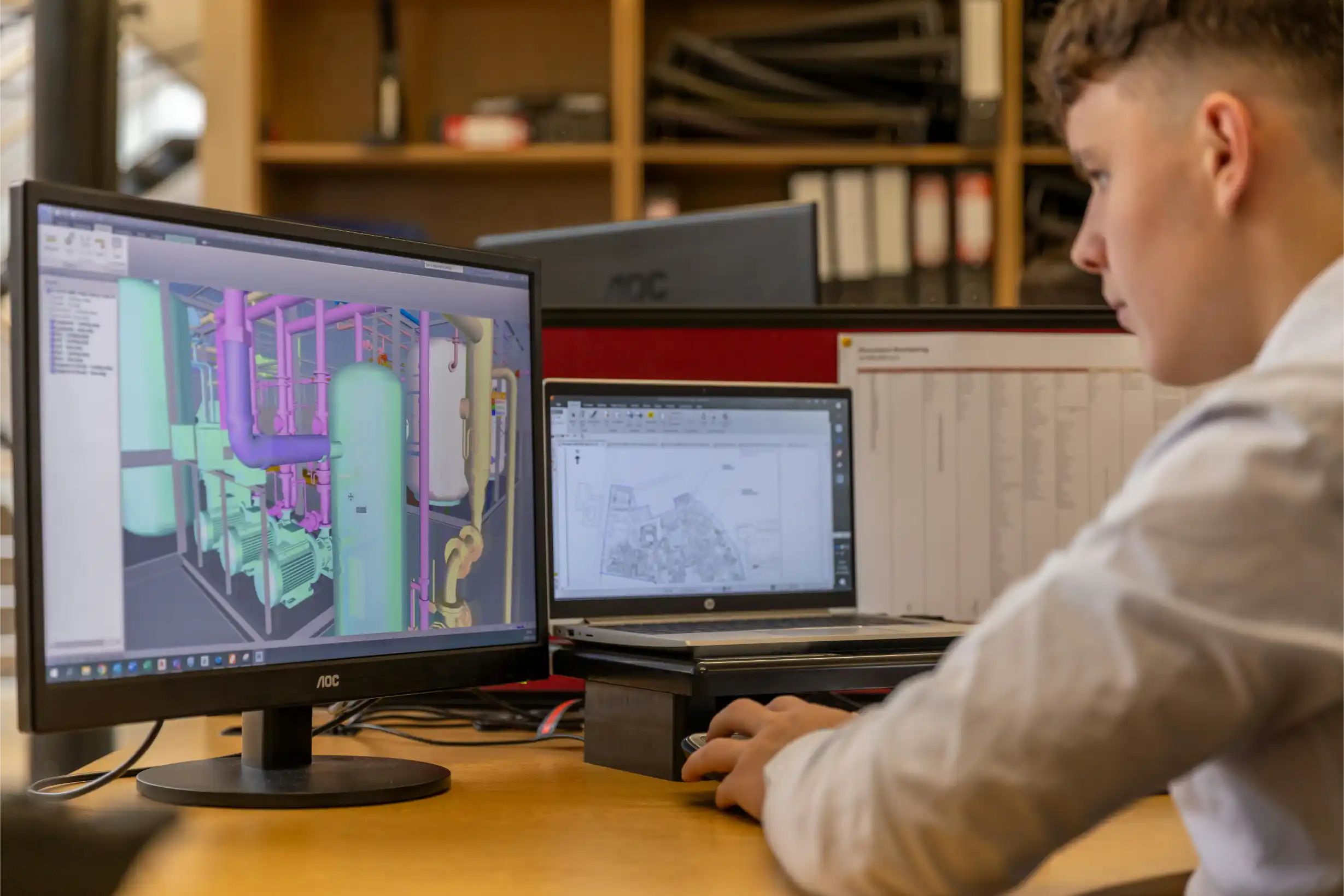
Offshoring for Engineering Firms can be a practical way to reduce costs, increase capacity, and support business growth. But it is not something engineering businesses should approach without a clear plan.
As project demand grows and local hiring becomes more expensive, many firms look offshore for support with drafting, modelling, documentation, estimation, and other technical tasks. In the right setup, offshore staff can help engineering teams complete work faster and give senior local staff more time to focus on reviews, client communication, and project decisions.
However, offshoring also comes with risks. Communication gaps, quality issues, hidden costs, weaker oversight, and data security concerns can create problems if the model is not managed properly.
The key is to understand both the advantages and disadvantages before deciding whether offshore support is right for your firm.

What Is Offshoring for an Engineering Firm?
Offshoring means assigning selected business tasks or roles to workers or teams based in another country. For engineering firms, this often involves technical support work that can be completed remotely with the right tools, instructions, and quality checks.
Common offshore engineering support tasks include:
- CAD drafting
- 3D modelling
- Technical documentation
- Estimation support
- Quantity take-offs
- Design administration
- Project coordination support
- Drawing revisions
- Data entry and reporting
- Engineering help desk or technical support
On paper, the idea is simple: move suitable work offshore, reduce labour costs, and create more capacity.
In practice, it requires structure. Engineering work is detail-driven, and even small misunderstandings can lead to rework, delays, or quality concerns. Offshoring can work well, but only when the role is clearly defined and the review process is strong.
The Pros of Offshoring for Engineering Firms
Offshoring can deliver real benefits when the right work is delegated to the right people.
1. Lower Labour Costs
Cost reduction is often the first reason engineering firms consider offshore staffing. Local wages, recruitment costs, and operating expenses can place pressure on margins, especially when firms are managing multiple projects or trying to scale.
Offshore support can reduce labour costs for production-heavy work such as drafting, modelling, and documentation. This can help firms remain competitive while still maintaining internal capacity.
However, cost should not be the only reason to offshore. If the entire strategy is based on cheaper labour, the arrangement can fail when training, quality control, communication, and project management are ignored.
A better approach is to treat cost savings as one benefit, not the whole strategy.
2. Access to a Wider Talent Pool
Many engineering firms struggle to find enough local talent, especially when project timelines are tight. Offshoring gives firms access to a wider pool of skilled technical workers who can support routine and specialised tasks.
This can be especially useful when local staff are overloaded or when a firm needs extra support without rushing into permanent local hires.
Offshore staff can help with:
- Drafting overflow
- Documentation backlogs
- Modelling support
- Repetitive technical tasks
- Project-based workload spikes
- Administrative engineering support
This gives the business more flexibility and helps avoid putting too much pressure on the existing team.
3. More Scalable Project Support
Growth is positive, but it can create pressure quickly. More projects usually mean more drawings, revisions, reports, client updates, and deadlines.
Offshoring can help engineering firms scale support without building every new role locally. This can be useful for firms that experience seasonal demand, project peaks, or sudden increases in workload.
Instead of asking senior engineers or project managers to absorb every extra task, firms can use offshore support to handle work that follows a clear process.
This allows the local team to stay focused on higher-value responsibilities.
4. Better Use of Local Engineering Teams
One of the biggest benefits of offshoring is freeing up local staff.
Senior engineers, project managers, and technical leads should not spend most of their time on repetitive production tasks if those tasks can be handled by trained support staff. Their time is better used for:
- Technical review
- Client communication
- Design decisions
- Project planning
- Quality assurance
- Risk management
- Team leadership
When offshoring is done properly, local teams can focus on the work that needs their expertise, while offshore staff handle structured support tasks.
This can improve productivity and reduce burnout.
5. Faster Turnaround Opportunities
In some cases, offshore support can improve turnaround times. If responsibilities are clearly divided, offshore teams can continue work while local teams focus on approvals, client updates, and reviews.
This can be useful when deadlines are tight or when a firm has multiple projects moving at once.
However, faster turnaround only happens when the handoff process is clear. If instructions are vague or feedback is delayed, offshore work can slow the project down instead of speeding it up.
The best results usually come from documented workflows, standard templates, and scheduled review points.
The Cons of Offshoring for Engineering Firms
Offshoring has advantages, but it also has real limitations. Engineering firms should understand the risks before moving work offshore.
1. Communication Challenges
Communication is one of the most common problems in offshore staffing.
Time zone differences, unclear instructions, delayed responses, and different work styles can affect collaboration. In engineering, this matters because small misunderstandings can lead to incorrect drawings, missed details, or unnecessary rework.
To reduce this risk, firms should set clear expectations around:
- Response times
- Meeting schedules
- Drawing mark-up standards
- File naming rules
- Revision processes
- Escalation points
- Project management tools
Good communication does not happen by accident. It needs to be built into the process.
2. Quality Control Risks
Engineering firms cannot afford inconsistent quality. If drawings, models, or documentation do not meet the required standard, the result can be delays, rework, client dissatisfaction, and potential project risk.
Offshoring does not remove the need for quality control. In many cases, it increases the need for it.
Firms should create clear review systems before delegating technical work offshore. This may include:
- Standard operating procedures
- Drawing templates
- Quality checklists
- Peer review steps
- Local engineer sign-off
- Version control
- Sample completed work for reference
Quality standards should be explained before the work begins, not after mistakes appear.
3. Less Direct Oversight
Managing offshore staff is different from managing someone in the same office. You cannot quickly walk over to a desk, check progress, or clarify details in the same way.
This does not mean offshore teams cannot be managed well. It means the firm needs stronger systems.
Without clear accountability, tasks can drift. Deadlines may be missed, assumptions may go unchecked, and managers may spend more time fixing issues than expected.
To avoid this, assign a local manager or technical lead responsible for task allocation, review, and feedback. Offshore staff need structure, not guesswork.
4. Hidden Costs
Offshoring can reduce labour costs, but firms should consider the full operating cost.
Possible hidden costs include:
- Recruitment and setup
- Onboarding and training
- Software licences
- Project management time
- Quality reviews
- Rework
- File management systems
- Security controls
- Process documentation
- Communication tools
If a firm only compares hourly rates, it may underestimate what is required to make offshoring successful.
A realistic cost review should include both direct and indirect costs.
5. Data, Systems, and Intellectual Property Risks
Engineering firms often deal with sensitive files, technical drawings, project data, client information, and intellectual property. Giving offshore staff access to these materials requires careful control.
Firms should limit access based on role and use secure systems wherever possible. The Australian Cyber Security Centre’s small business cyber security guide recommends practical protections such as multi-factor authentication, software updates, and regular backups.
Practical steps include:
- Role-based access permissions
- Multi-factor authentication
- Secure file-sharing systems
- Password management
- Clear confidentiality terms
- Access removal during offboarding
- Version control for drawings and documents
Cyber security should be considered before offshore staff receive access to project systems.
6. Not Every Engineering Task Should Be Offshored
Some work is better kept in-house, especially when it involves strategic decisions, complex client requirements, local regulations, site-specific knowledge, or final technical approval.
Tasks that may be better kept local include:
- Final design approval
- Client-facing technical discussions
- High-risk engineering decisions
- Site inspections
- Local compliance interpretation
- Senior project leadership
- Complex problem-solving requiring close collaboration
A smart offshoring model does not move everything offshore. It separates support tasks from core technical accountability.
What Engineering Firms Should Consider Before Offshoring
Before making the move, firms should ask practical questions.
Do you have documented processes?
If the work is currently explained verbally or handled differently by each person, offshore staff may struggle.
Do you know which tasks are suitable?
Start with repeatable work that can be documented, measured, and reviewed.
Do you have someone to manage the offshore team?
Offshore staff still need training, feedback, and support.
Are your systems secure?
Review file access, permissions, confidentiality, and offboarding processes before sharing data.
Are you offshoring for strategy or just cost?
Cost pressure may start the conversation, but long-term success depends on structure.
Business.gov.au’s guide to protecting your business provides useful Australian Government guidance on managing risks and protecting operations when making business changes.
A Better Approach: Hybrid Engineering Support
For many engineering firms, the best model is not fully local or fully offshore. It is a hybrid setup.
A hybrid model keeps leadership, client communication, final review, and critical decision-making in-house while using offshore staff for selected support tasks.
This gives firms access to offshore capacity while maintaining local control over quality and accountability.
A hybrid model may work well for:
- Drafting support
- Documentation overflow
- Drawing revisions
- Estimation assistance
- Project admin
- Basic modelling tasks
- Repetitive technical support
The local team remains responsible for supervision, quality checks, client communication, and final approvals.
For many firms, this is the most practical way to reduce pressure without losing control.
How to Make Offshoring Work
Offshoring works best when it is treated as a structured business decision, not a quick staffing shortcut.
To improve the chances of success:
- Start with one role or function
- Create clear job descriptions
- Document workflows before hiring
- Use templates and checklists
- Set clear KPIs
- Assign a local point of contact
- Schedule regular check-ins
- Protect system access
- Review quality consistently
- Treat offshore staff as part of the team
Offshore staff perform better when they understand the business, the project goals, and the standard expected from their work.
Final Thoughts
Offshoring for Engineering Firms can reduce costs, improve capacity, and help businesses scale more effectively. It can also give local teams more time to focus on technical decisions, client work, and project leadership.
But it is not a magic fix.
The risks are real. Communication problems, quality issues, hidden costs, weak oversight, and data security concerns can make offshoring difficult when it is not planned properly.
The best results come from being selective. Offshore the work that can be documented, trained, reviewed, and measured. Keep strategic, client-facing, and high-risk technical decisions close to the business.
With the right structure, offshoring can become a useful part of an engineering firm’s growth strategy.
FAQs
Is offshoring for engineering firms always cheaper?
Not always. It can reduce labour costs, but firms should also consider onboarding, training, software, management time, quality review, and security costs.
What engineering tasks can be offshored?
Common tasks include CAD drafting, modelling support, technical documentation, estimation support, quantity take-offs, drawing revisions, and project administration.
What is the biggest risk of offshore engineering support?
The biggest risks are usually communication gaps, inconsistent quality, weak oversight, and poor documentation.
Should engineering firms offshore all technical work?
No. Most firms should keep final approvals, complex technical decisions, client communication, and local compliance work in-house.
Is a hybrid offshore model better for engineering firms?
For many firms, yes. A hybrid model allows offshore staff to support production tasks while local teams maintain control over leadership, quality, and client relationships.
Ready to Build Offshore Engineering Support?
Offshoring can work well when the right tasks, people, and systems are in place.
Offshore247 helps Australian businesses build reliable offshore teams for drafting support, administration, customer service, finance, marketing, IT, and operational roles.
If your engineering firm is considering offshore support, speak with Offshore247 today.